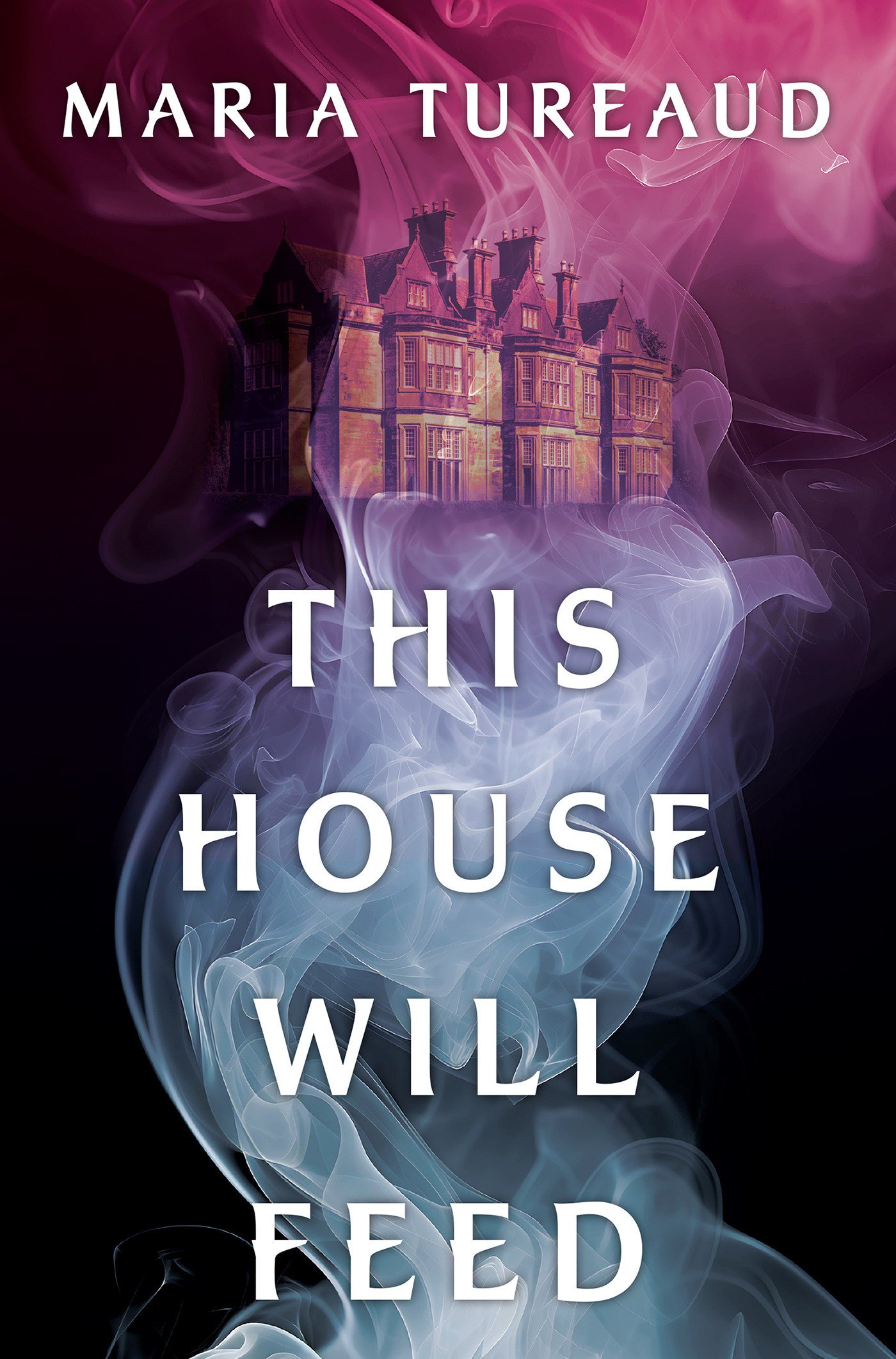
This House Will Feed
Amidst the devastation of Ireland’s Great Famine, a young woman is salvaged from certain death when offered a mysterious position at a remote manor house haunted by a strange power and the horror of her own memories in this chillingly evocative historical novel braided with gothic horror and supernatural suspense for readers of Katherine Arden’s The Warm Hands of Ghosts and The Silence Factory by Bridget Collins.
County Clare, 1848: In the scant few years since the potato blight first cast its foul shadow over Ireland, Maggie O’Shaughnessy has lost everything—her entire family and the man she trusted with her heart. Toiling in the Ennis Workhouse for paltry rations, she can see no future either within or outside its walls—until the mysterious Lady Catherine arrives to whisk her away to an old mansion in the stark limestone landscape of the Burren.
Lady Catherine wants Maggie to impersonate her late daughter, Wilhelmina, and hoodwink solicitors into releasing Wilhelmina’s widow pension so that Lady Catherine can continue to provide for the villagers in her care. In exchange, Maggie will receive freedom from the workhouse, land of her own, and the one thing she wants more than either: a chance to fulfill the promise she made to her brother on his deathbed—to live to spite them all.
Launching herself into the daunting task, Maggie plays the role of Wilhelmina as best she can while ignoring the villagers’ tales of ghostly figures and curses. But more worrying are the whispers that come from within. Something in Lady Catherine’s house is reawakening long-buried memories in Maggie—of a foe more terrifying than hunger or greed, of a power that calls for blood and vengeance, and of her own role in a nightmare that demands the darkest sacrifice . . .
A Note from the Author (Content Warnings)
This book portrays one of the worst tragedies (and some argue, genocide) of the 19th Century—An Gorta Mór (The Great Hunger, known simply in America as the Irish Potato Famine). The population of Ireland halved as a result, from an estimated 9 million down to just 4.5 million.
As such, depictions of extreme starvation, desolation, death (including instances of child death), possession, use of slurs, cannibalism, suicide, and murder appear on-page. This book includes epigraphs, most documenting eye-witness accounts (from Irish, British, and American observers) and should be read with caution.
As an Irish author, born and raised, the researching and writing of this book dredged up generational trauma that we as a people have not truly dealt with. Therefore I suggest native Irish readers should approach with a steady heart, and the heady knowledge that our great-great grandparents were forged in steel, and you are the freedom and legacy they dreamt of.
Additional information
| Classification | Fiction |
|---|---|
| Genre | General Fiction, Historical Fiction, Horror, Literary Fiction |
| Age | Adult |
| Publisher | Independent |
| Imprint | Kensington Publishing |
| Language(s) | English |
| Format(s) | Audiobook, eBook, Hardcover |
| Author | Maria Tureaud |
| Release Date | 27-Jan-26 |
| Release Month | January Releases |
| Author Identity | Neurodivergent |
About the Author

Maria Tureaud hails from the Wild Atlantic Way on the west coast of Ireland. A developmental editor of fifteen years, Maria is the author of the middle grade book The Last Hope in Hopetown, and the upcoming adult historical gothic releases This House Will Feed and Beneath, It Sleeps. When she’s not writing books, or sprinkling magic onto client manuscripts, you can find Maria drinking tea in New Jersey as she dreams of moving home to her beloved County Clare.